

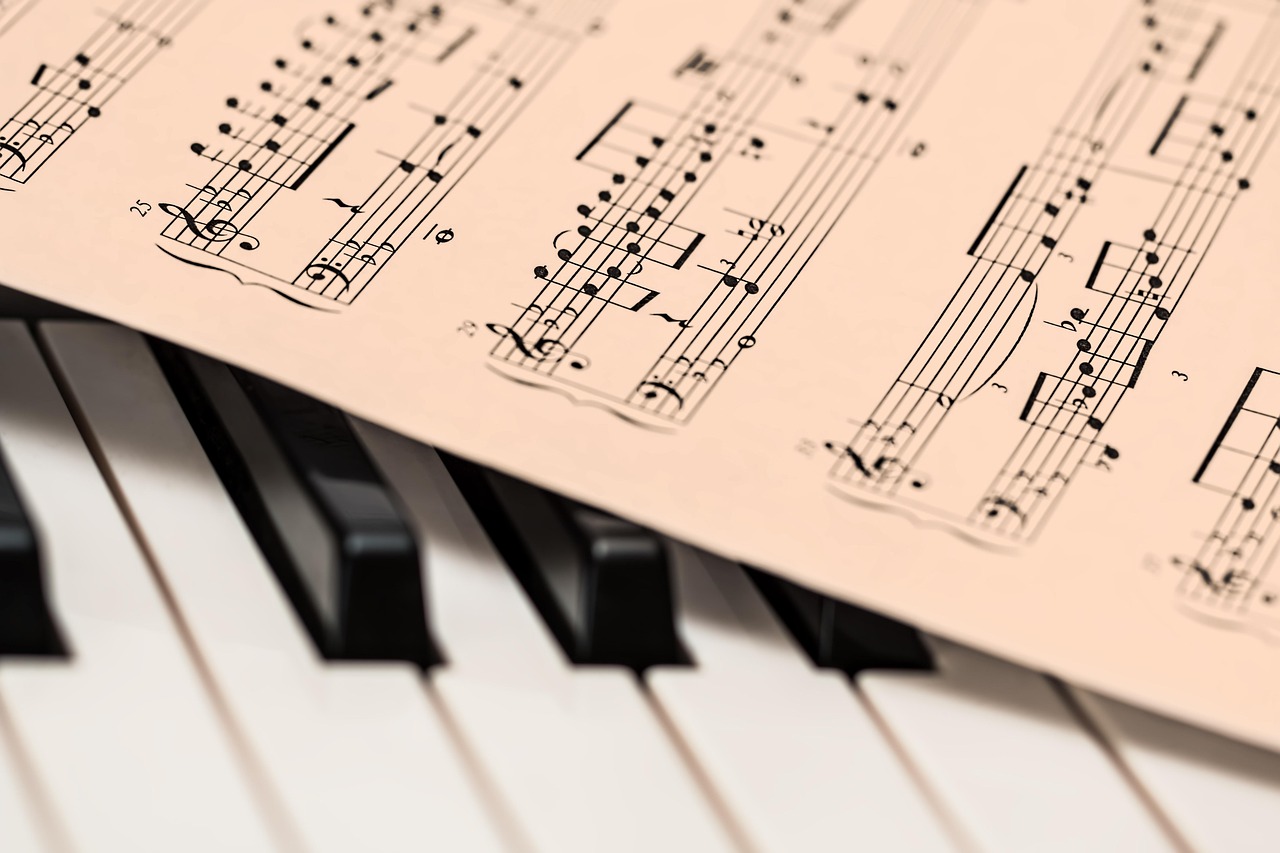
Learning music can be deeply fulfilling at any age, and seniors are no exception. Whether you’re looking to stay mentally active, improve hand coordination, or simply enjoy a new hobby, picking up an instrument from the comfort of your home is more doable than ever. Thanks to online tutorials, virtual classes, and beginner-friendly designs, there are several instruments that don’t require intense physical effort or years of training to enjoy. With just a little commitment, seniors can discover the joy of music-making without stepping outside. Here are five instruments that are practical, accessible, and enjoyable for older adults ready to explore music from home.
Ukulele – Small Size, Big Fun
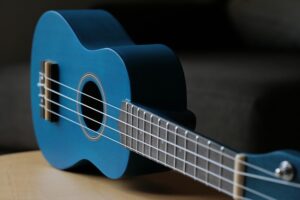 The ukulele stands out for its simplicity and friendly tone. With only four nylon strings, it’s easier on the fingers compared to guitars, which often require stronger pressure and larger hand spans. Seniors with arthritis or reduced mobility in their hands may find this a welcoming option. The instrument’s lightweight build means it’s easy to hold during practice sessions, and its cheerful sound brings an instant boost to your day. With countless online tutorials available, seniors can start playing simple songs in just a few weeks. It’s a compact and cheerful addition to any musical journey.
Keyboard – A Versatile Learning Companion
Keyboards are among the most adaptable instruments for learners of all ages. Many models are digital, which makes them space-saving and easy to store when not in use. They can also be played with lower volumes with headphones, perfect for quiet practice without disturbing anyone nearby. For seniors who might not have had formal piano lessons earlier in life, a keyboard is a friendly entry point. Beginners can focus on simple melodies with one hand before advancing. The tactile feedback from the keys provides both physical and mental engagement, making this a smart choice for stimulating cognitive function.
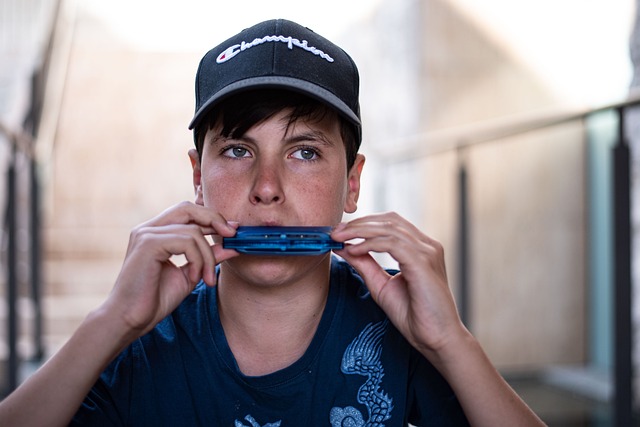
Harmonica – Music in Your Pocket
If simplicity is your goal, the harmonica is a standout option. It’s incredibly portable and doesn’t rely on complicated finger positioning or reading extensive sheet music. Playing involves controlled breathing, which offers the added benefit of supporting lung function. This can be beneficial for seniors looking to improve breath control and stamina. The harmonica’s compact size means it can be practiced just about anywhere in the house—no setup required. And with styles like blues, folk, or jazz, there’s plenty of variety to explore without feeling overwhelmed.
Recorder – A Simple Wind Instrument for Beginners
The recorder often gets associated with elementary school music classes, but its simplicity makes it a great candidate for older learners too. With clearly spaced finger holes and a gentle air requirement, the recorder is an ideal choice for those easing into wind instruments. It encourages proper posture, breathing, and finger control without being overwhelming. Affordable and lightweight, the recorder can be a stepping stone to more complex woodwind instruments if interest grows. With consistent practice, even seniors who’ve never played an instrument before can begin to play recognizable melodies within weeks.
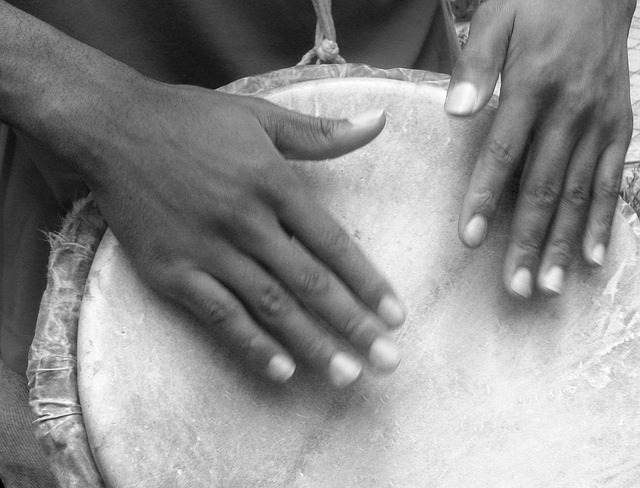
Hand Drums – Rhythm Without Rules
For seniors who enjoy tapping, clapping, or moving to a beat, hand drums offer an intuitive musical outlet. Instruments like the djembe, bongo drums, or even a small cajón allow older adults to engage in rhythm-based activities without the need for formal music reading. Playing a drum encourages physical activity, coordination, and sensory stimulation—all key elements for staying mentally sharp. Plus, it’s a great way to reduce stress. There’s no pressure to hit the “right” note—just follow the beat and enjoy the flow. This makes hand drums particularly freeing and enjoyable for beginners.
Conclusion
Choosing to learn an instrument later in life brings both joy and purpose. These five options—ukulele, keyboard, harmonica, hand drums, and recorder—provide approachable starting points without the pressure of traditional lessons or rigid techniques. With dedication, seniors can enjoy musical growth that fits neatly into daily routines at home. It’s not about mastering perfection; it’s about enjoying the process and staying connected—both mentally and emotionally. No matter which instrument speaks to you, beginning the musical journey is a powerful step toward greater happiness and fulfillment in your golden years.